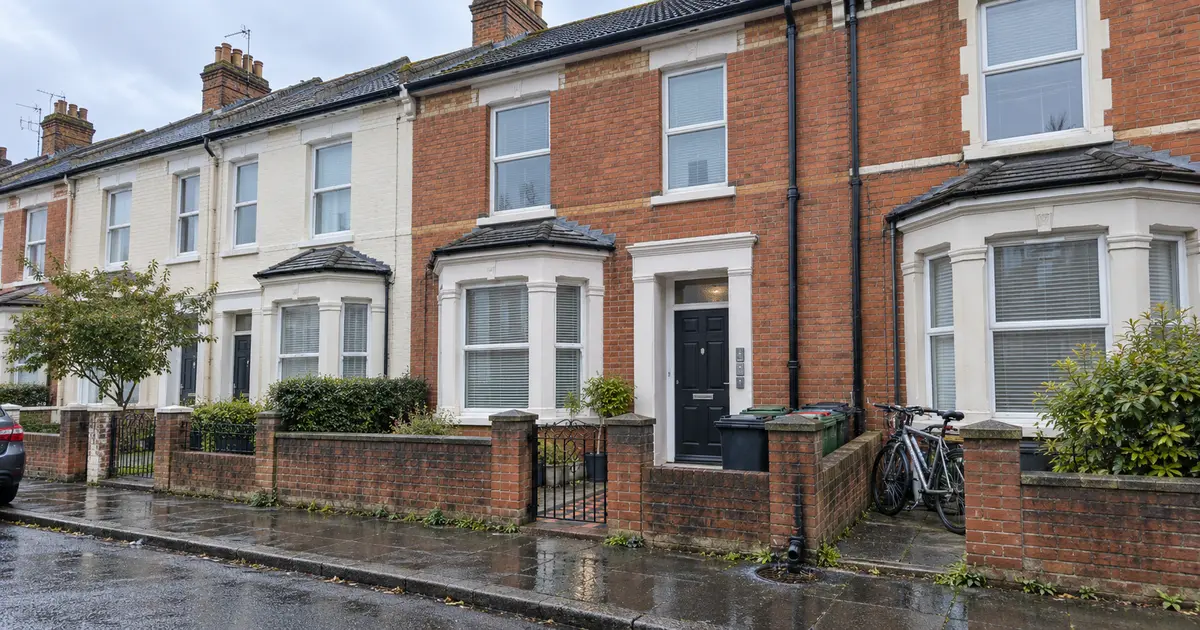
Blocked drains in Southampton HMOs can cause more confusion than a blockage in a family home. Several tenants may use the same kitchens, bathrooms and toilets, yet each person may notice a different warning sign. One tenant reports a slow shower. Another hears a toilet gurgle. Then wastewater rises through a ground-floor drain.
The first job is not to guess who caused the problem. Instead, work out how much of the drainage system it affects. A blockage may sit in one waste pipe, a shared branch, the main private drain or the public sewer. Each fault needs a different response.
Southampton Drains24 provides drain unblocking in Southampton for landlords, letting agents, property managers and tenants. This guide explains what to check, what information to collect and when a CCTV survey can help.
Why shared houses place extra demand on drains
An HMO may contain several bathrooms, more than one kitchen and a washing machine that runs every day. As a result, its drains often carry more wastewater than the drains in a similar family home.
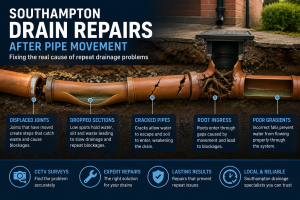
High use does not automatically cause a blockage. A sound drain with the right fall should carry normal household wastewater. However, small faults can become obvious sooner when more people use the system. Scale, displaced pipe joints, roots, a poor connection or a partial collapse can catch paper and waste. The restriction then grows until water struggles to pass.
Shared living also makes the early signs harder to connect. Tenants may report faults separately or assume that someone else has already told the landlord. Therefore, landlords and agents need one clear process for recording drainage problems.
For property managers, blocked drains in Southampton HMOs become easier to handle when every tenant follows that same reporting process.
Why this matters to Southampton HMO landlords
Southampton has local rules for houses in multiple occupation. The city’s additional HMO licensing scheme runs from 1 October 2025 to 30 September 2030. It covers smaller HMOs in nine wards: Banister and Polygon, Bargate, Bassett, Bevois, Freemantle, Millbrook, Portswood, Shirley and Swaythling.
The council’s guidance on HMO standards says amenities must connect correctly to hot and cold water supplies and the drainage system. In practical terms, a landlord needs working sinks, toilets, showers and waste pipes, not simply enough fittings on a floor plan.
A blocked drain does not always mean that an HMO fails its licence conditions. Even well-run properties can suffer an unexpected fault. Still, quick action protects tenants, limits water damage and creates a clear record of how the landlord handled the problem.
Start with the pattern of symptoms
Before arranging a visit, ask which fittings have problems and when each problem began. A simple list can help an engineer narrow down the likely fault.
Record:
- the rooms and floors affected;
- whether water drains slowly or does not move at all;
- any gurgling from toilets, sinks or showers;
- smells from plugholes or low-level drains;
- water rising in another fitting when a toilet flushes;
- any overflowing gully, chamber or outside drain;
- whether the problem becomes worse during heavy rain; and
- whether neighbouring properties have similar trouble.
Ask tenants for photos or short videos where safe. Also note the time of each event. For example, an outside gully that overflows whenever several showers run gives a useful clue. So does a ground-floor toilet that rises when someone uses an upstairs bathroom.
This shared record helps an engineer assess blocked drains in Southampton HMOs without relying on one tenant’s account.
Do not ask tenants to remove chamber covers, reach into dirty water or use professional jetting equipment. Instead, keep people away from wastewater and arrange help.
One blocked fitting or a shared branch pipe?
When only one fitting drains slowly, the obstruction may sit close to that fitting. Hair and soap often collect in shower traps. Food scraps and fat can narrow a kitchen waste pipe. A local plumber may suit a simple trap or above-ground waste problem.
However, one affected room does not prove that the main drain runs freely. That fitting may sit at the lowest point on a blocked branch. It may show the first symptom while other fixtures continue to work.
Look for these differences:
Signs of a local waste-pipe problem
- Only one sink, shower or bath drains slowly.
- Nearby toilets flush normally.
- No outside chamber or gully rises.
- Cleaning the accessible trap restores normal flow.
Signs of a shared branch or main-drain problem
- Several fittings on the same side of the house drain slowly.
- A toilet bubbles when someone empties a sink or bath.
- Water rises in a ground-floor shower, toilet or gully.
- The outside chamber holds standing wastewater.
- The fault returns soon after a basic clearance.
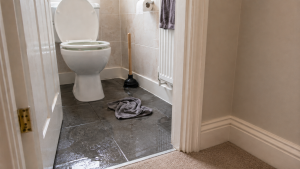
If several fixtures react together, stop using them where possible. Continued flushing can push wastewater into a bathroom, kitchen or bedroom below.
Because blocked drains in Southampton HMOs may affect several rooms, the agent should update every occupant rather than only the person who reported the fault.
What the lowest fitting can reveal
Water follows gravity. Therefore, a blockage often shows itself first at the lowest open point upstream of the obstruction. In a converted Southampton house, that point could be a ground-floor toilet, a basement shower or an outside gully.
Suppose a tenant flushes an upstairs toilet and water rises in the downstairs shower. The shower itself may have no fault. Instead, the shared pipe downstream may no longer carry the combined flow.
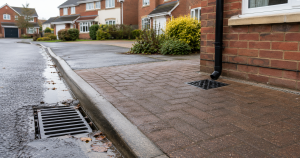
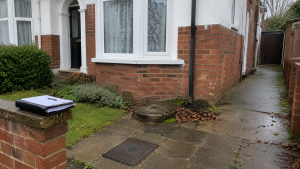
The same principle applies outside. If the chamber nearest the house stands full while the next chamber remains clear, the blockage may sit between them. If every chamber stands full, the fault may lie farther downstream. An engineer can check the route without relying on this clue alone.
What tenants should do straight away
Tenants should report the problem as soon as they spot it. They should include enough detail for the landlord or agent to judge the risk.
Until someone checks the system, tenants should:
- stop using any fitting that makes wastewater rise elsewhere;
- limit toilet flushing if the main drain appears blocked;
- avoid washing machines and dishwashers;
- keep children and pets away from dirty water;
- move belongings away from the affected floor area; and
- tell the landlord if wastewater has reached an electrical point.
Tenants should not pour repeated doses of drain cleaner into the system. Chemicals may remain trapped behind the blockage and create a risk for the person who opens the pipe. They also cannot mend a cracked, displaced or collapsed drain.
Quick action keeps blocked drains in Southampton HMOs from turning into avoidable internal flooding.
What landlords and agents should arrange
Landlords should first decide whether the report points to an urgent drain callout, a local plumbing fault or a wider sewer problem. When toilets or foul drains overflow, quick action matters.
Give the drainage company:
- the full address and best access route;
- a contact number for someone at the property;
- the list of affected rooms and fittings;
- known chamber locations;
- details of any earlier blockages or repairs; and
- access information for locked rooms, gardens or shared alleys.
Clear communication prevents delays. If the engineer needs access to several rooms, the landlord or agent should coordinate that access with the tenants. GOV.UK states that landlords normally handle repairs to sanitary fittings, pipes and drains. Tenants should report faults promptly, while responsibility for damage or costs can depend on the cause and the tenancy terms. Read the government’s private-renting repair guidance.
How engineers clear blocked drains in Southampton HMOs
The right method depends on the pipe, access and cause. An engineer may start with chamber checks and a flow test. These checks show which section has stopped passing water.
Mechanical rods can break through some soft blockages in a straight, accessible drain. High-pressure water jetting can remove built-up waste, fat, scale and other deposits. Yet the engineer must choose the nozzle and pressure to suit the pipe. Old clay joints or damaged pipework need care.
After clearing the blockage, the engineer should test the affected fixtures again. A successful clearance should restore the flow through the whole section, not only lower the water level for a few minutes.
The best response to blocked drains in Southampton HMOs restores normal use and checks whether a pipe fault caused the obstruction.
Landlords who want to understand the visit can read what happens during a Southampton drain-unblocking callout.
When a CCTV drain survey adds value
A first-time blockage caused by an obvious soft obstruction may not need a camera survey. However, repeat trouble calls for a closer look.
A CCTV survey can reveal:
- displaced or open pipe joints;
- cracks and fractures;
- root entry;
- scale that narrows the bore;
- a poor fall or low section that holds waste;
- a damaged connection; or
- an object lodged in the pipe.
The drain must usually flow before the camera can show useful detail. Heavy standing water or loose waste can hide the pipe wall. Therefore, the engineer may clear and clean the drain first.
For recurring blocked drains in Southampton HMOs, ask for a report that identifies the pipe section, records the main findings and sets out sensible next steps. A clear report helps landlords choose between cleaning, a local patch repair, relining or excavation. It also avoids repeated callouts that only treat the immediate obstruction.
Read more about CCTV surveys for recurring drain problems.
That evidence often explains why blocked drains in Southampton HMOs keep returning after an earlier clearance.
Is the pipe private, shared or part of the public sewer?
The number of tenants does not decide who owns the pipe. Its route and the properties it serves matter more.
As a simple starting point:
- a pipe inside the boundary that serves only the HMO will often remain private;
- a pipe that serves more than one property may form part of the public sewer network; and
- the public sewer usually falls to Southern Water in Southampton.
Pipe ownership can vary, especially around converted buildings, rear access alleys and later extensions. Do not rely only on the position of a chamber or fence.
Southern Water advises customers with a private drain blockage to hire a drainage specialist. However, it asks customers to contact the company when the fault affects a shared part of the sewer. Its blocked-drain guidance explains that distinction.
If several neighbouring properties lose flow at the same time, check whether Southern Water already knows about the fault. You can also read our guide to shared lateral drain issues in Southampton.
Ownership questions can complicate blocked drains in Southampton HMOs, so confirm the affected pipe before approving major work.
Who pays for an HMO drain blockage?
The engineer should focus first on stopping the overflow and finding the cause. The landlord or agent can then consider cost responsibility with better evidence.
In most rented homes, the landlord arranges repairs to pipes and drains. However, a tenant may have to cover damage that they caused. A blockage report can help separate normal pipe failure from misuse, although the final decision may depend on the tenancy agreement and the facts.
Avoid blaming one tenant simply because the blockage contains wipes, fat or another unsuitable item. In a shared house, several people use the same system. Unless the evidence links the problem to one act or room, the source may remain unclear.
Keep the invoice, site notes, photos, CCTV footage and repair advice. These records help if the problem returns or if the landlord needs to explain the work to tenants, an insurer or the council.
Common causes in shared kitchens and bathrooms
Several small habits can combine to block a shared drain. Common causes include:
- cooking fat poured into a sink;
- food scraps washed down without a strainer;
- wipes, sanitary products or cleaning cloths flushed down a toilet;
- hair and soap in shower traps;
- too much paper flushed at once;
- limescale or internal pipe scale; and
- items dropped into an open or poorly fitted waste.
Still, behaviour is only one part of the picture. Old clay pipes can move at their joints. Roots can enter through gaps. Poorly laid replacement sections can hold water and waste. In addition, an HMO conversion may connect new bathrooms to an old branch that cannot drain well because of its route or fall.
That is why repeat clearance without checking the pipe can waste money.
How to prevent blocked drains in Southampton HMOs
Good guidance works better than a long list of threats. Give each tenant simple information when the tenancy starts and display a short reminder near shared sinks or toilets.
Ask occupants to:
- put fat, oil and food scraps in the bin;
- use sink strainers in shared kitchens;
- flush only toilet paper and human waste;
- clear accessible hair traps often;
- report slow flow before the drain stops completely; and
- never remove a chamber cover themselves.
Landlords can also label unusual waste connections and keep external drain access clear. After building work, test every altered bathroom and kitchen connection. Builders should not bury or cover access points that the drainage system still needs.
Preventing blocked drains in Southampton HMOs also depends on early reporting. A slow drain costs less to assess than an overflow that damages several rooms.
For a property with a history of grease, scale or heavy use, planned cleaning may reduce sudden callouts. However, choose the cleaning interval from evidence. A fixed annual visit may offer little value if the pipe remains clean, while a known problem section may need earlier attention.
A drainage record for blocked drains in Southampton HMOs
Create one record for the property rather than leaving details across emails from different tenants. It should include:
- a simple sketch of the known drain route;
- chamber and access-point locations;
- dates and symptoms of each blockage;
- work completed during each visit;
- CCTV findings and repair footage;
- pipe materials and sizes where known; and
- any advice given to occupants.
This record becomes more useful when tenants change. It also helps a new agent or contractor understand the site without starting again.
When to call for help
Arrange urgent help when foul water enters the property, toilets cannot flush, an outside chamber overflows or several fixtures stop together. Also act quickly if wastewater could reach electrical fittings or flow into a neighbouring home.
For a slow single sink, first check the removable trap if a competent person can do so safely. However, call a drain specialist when several fixtures react together or the fault sits below ground.
Southampton Drains24 can trace the affected section, clear the obstruction and explain whether the pipe needs a further survey or repair. If the evidence points to the public network, the engineer can also tell the landlord or agent when to contact Southern Water.
Deal with the cause, not only the overflow
Blocked drains in Southampton HMOs need a calm, organised response. First, collect the symptoms from every affected room. Next, reduce water use and protect tenants from dirty water. Then, check whether the problem sits in one fitting, the private drain or a shared sewer.
A proper clearance restores the flow. When the blockage returns, a CCTV survey can show why. That evidence helps landlords make a lasting repair, keep clear property records and reduce disruption for everyone in the house.
For help with a shared-house blockage, contact Southampton Drains24 and explain which floors and fittings the problem affects.
Frequently asked questions
Who should report a blocked drain in a Southampton HMO?
When tenants notice blocked drains in Southampton HMOs, they should report the fault to the landlord or letting agent as soon as possible. The report should list every affected fitting, any overflow and when the problem began. If neighbouring properties also have trouble, the fault may involve a shared sewer.
Is the landlord responsible for a blocked drain in an HMO?
The landlord normally arranges repairs to the property’s pipes and drains. However, who ultimately pays can depend on the cause, evidence and tenancy agreement. A drainage report can help show whether the fault resulted from damage, unsuitable waste or failed pipework.
Should tenants keep flushing a toilet to test it?
No. Stop flushing if the water rises unusually, drains slowly or appears in another fitting. Extra water can turn a partial blockage into an internal overflow.
When does an HMO need a CCTV drain survey?
A survey often helps when blockages return, the cause remains unclear or the engineer suspects damaged pipework. The drain may need cleaning first so the camera can show the pipe wall clearly.
Who handles a shared sewer blockage in Southampton?
Southern Water normally handles faults in its public sewer network. A drainage engineer can help establish whether the blockage sits in a private drain or a shared section before the landlord reports it.
Can drain cleaner solve an HMO blockage?
Drain cleaner may affect a small local deposit, but it cannot repair roots, displaced joints or collapsed pipework. Repeated chemical use can also leave a hazard inside a blocked pipe. Arrange a proper check if several fittings have problems.