A Southampton drain unblocking visit should give you more than a quick clear and a rushed goodbye. When a drain blocks, you want the water moving again, but you also want to understand what caused the problem and whether it is likely to return.
Blocked drains can affect homes, flats, restaurants, shops, student houses, landlords and commercial properties across Southampton. In areas such as Portswood, Shirley, Bitterne, Woolston, Swaythling, Millbrook and Ocean Village, drainage issues can involve older pipes, shared runs, grease build-up, tree roots, heavy use or surface water pressure after rain.
Southampton Drains24 helps customers by checking the symptoms, clearing the blockage where possible, and advising when further investigation may help. A good visit should leave you with clearer drains and a better idea of what to do next.
Why a Southampton drain unblocking visit starts with questions
Before work starts, the engineer needs to understand what has happened. These first questions help narrow down the likely cause and location of the blockage.
You may be asked:
- Which drain, toilet, sink or outside gully is affected?
- When did the problem start?
- Has the same drain blocked before?
- Is wastewater backing up inside or outside?
- Do you notice bad smells or gurgling noises?
- Does the issue get worse after rain?
- Are neighbours having similar problems?
These answers matter because a blocked kitchen sink, an overflowing outside drain and several slow fixtures can all point to different causes. They also help the engineer decide whether the problem is likely to sit near the property, further along the drain run or within a shared section.
Checking the affected area safely
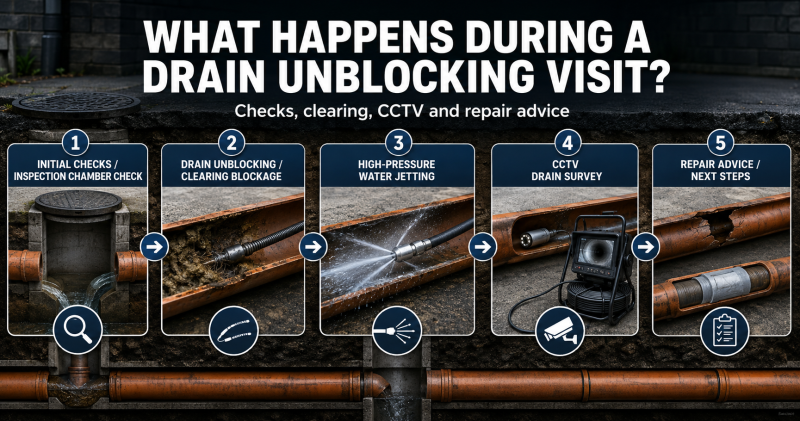
Next, the engineer checks the affected area. This may include sinks, toilets, gullies, inspection chambers, outside drains or nearby manhole covers. The aim is to understand how the water is behaving before any clearing work begins.
For example, if one sink drains slowly, the blockage may sit close to that fixture. However, if several fixtures are slow at the same time, the issue may sit further along the main drain. If an outside chamber is full, the blockage may be downstream of that point.
The engineer will avoid unnecessary disruption where possible. However, they may need safe access to an inspection chamber or outside gully to clear the drain properly.
Finding the most likely blockage point
A blocked drain often gives clues. Water backing up from a downstairs toilet may suggest a main drain problem. A kitchen gully overflowing can point towards grease, food waste or a blocked outside run. A drain that only struggles after heavy rain may involve surface water, gullies or a soakaway issue.
Once the engineer has checked the symptoms, they can choose the right method for the job. This avoids wasting time on the wrong section of pipe and helps reduce the risk of the problem returning quickly.
How the drain is usually cleared
Many blockages can be cleared using professional rods, high-pressure water jetting or specialist drainage tools. The right method depends on the blockage type, pipe condition, access and location.
For everyday blockages, the engineer may use rods to break up or move the obstruction. For heavier build-up, high-pressure jetting may work better because it can clear grease, silt, debris and waste from the pipe walls.
Southampton Drains24 provides drain unblocking support in Southampton for homes and businesses where wastewater is slow, backing up or overflowing.
What happens if the blockage is caused by grease?
Grease is common in domestic kitchens, restaurants, cafés, takeaways and shared properties. It can enter the drain as liquid, then cool and stick to the inside of the pipe. Food waste, soap residue and other debris then collect against it.
During a drain unblocking visit, the engineer may clear the grease blockage and advise on prevention. For commercial kitchens, regular maintenance may be needed because heavy use can build deposits quickly.
What happens if wipes or debris are causing the blockage?
Wipes, sanitary items, cotton buds, nappies and other non-flushable items can catch inside pipe bends, joints or rough sections. Once they catch, more waste builds behind them.
If the engineer clears this type of blockage, they may advise changes to what goes down the toilet or sink. However, if wipes keep catching in the same place, the pipe may have a rough joint, crack, root entry point or another defect that needs checking.
When high-pressure jetting may be used
High-pressure jetting can be very effective for stubborn drain blockages. It uses water pressure to move waste, cut through deposits and clear the pipe. It can help with grease, silt, soft blockages, leaves and general drain build-up.
Jetting is not always the answer for every drain. The engineer needs to consider the pipe condition, access point and type of problem. If the drain is damaged, collapsed or badly displaced, a CCTV inspection may be the safer next step before repeat jetting.
When a CCTV survey becomes useful
A CCTV survey is not always needed for a simple one-off blockage. However, it becomes useful when the same drain blocks again, the symptoms suggest damage, or the engineer suspects roots, cracks, displaced joints, poor falls or standing water inside the pipe.
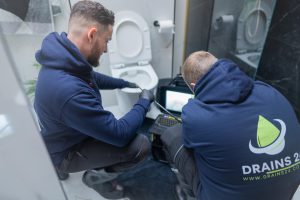
A camera inspection can show what is happening underground. It may confirm whether the drain only needed cleaning or whether the pipe needs repair, root cutting, lining or another solution.
If the blockage keeps returning, a CCTV drain survey can help identify the real cause instead of relying on repeated clearing.
What the engineer checks after clearing the drain
Once the blockage has cleared, the engineer should check that water flows properly again. This may involve running taps, flushing toilets, checking gullies or watching the chamber flow.
This final check matters because a drain can appear clear at first while waste remains further along the line. Good flow gives more confidence that the blockage has moved and that the pipe is working again.
If the water still drains slowly, the engineer may recommend further investigation.
What if the blockage points to a repair issue?
Some drain problems need more than cleaning. Cracked pipes, collapsed sections, displaced joints, root damage and low pipe sections can all cause repeat blockages. In those cases, clearing the drain only solves the immediate problem.
Southampton Drains24 can advise when drain repairs may be needed. The right option depends on the pipe condition, fault location and severity of the damage.
Repair work may include patch repairs, lining, root-related repairs or excavation where the pipe has failed badly. CCTV evidence helps make this decision clearer.
What if the problem is urgent?
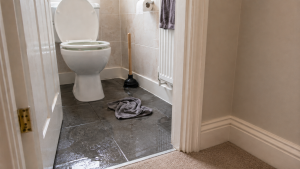
Some drainage problems cannot wait. Wastewater backing up inside a property, overflowing outside drains, sewage smells, blocked toilets in busy homes, or drainage problems at a business may need urgent help.
In those cases, emergency drainage support may be the right choice. The priority is to restore flow, reduce risk and stop the problem from spreading.
How customers can prepare before the visit
A few simple steps can make the visit smoother:
- Stop using the affected sink, toilet, bath or appliance if water is backing up.
- Keep children and pets away from the affected area.
- Clear access to outside drains, gullies or inspection covers if safe.
- Tell the engineer if the drain has blocked before.
- Mention any recent building work, garden work or heavy rainfall.
- Avoid adding chemical drain cleaners before the visit.
These steps help the engineer work safely and understand the problem faster.
Why chemical drain cleaners are not always helpful
Many customers try shop-bought drain cleaners before calling for help. Sometimes they make a small blockage move, but they rarely solve deeper drainage faults.
They can also create extra risk if wastewater backs up and the chemical remains in the drain. If an engineer then needs to work on the system, they may face a more difficult and less safe situation.
For drainage layouts, pipe protection, manholes and inspection chambers, GOV.UK’s Approved Document H provides useful background on drainage and waste disposal requirements in England. It is a helpful reference where a blockage connects with inspection access, pipe condition or repair decisions.
How to reduce the chance of another blockage
After the visit, prevention depends on the cause. A kitchen blockage may need better grease control. A toilet blockage may need changes to what gets flushed. A recurring outside blockage may need maintenance, CCTV inspection or repair work.
Helpful steps include:
- Keep fat, oil and grease out of sinks.
- Only flush toilet paper.
- Use sink strainers to catch food waste.
- Keep outside gullies clear of leaves.
- Book maintenance for high-use kitchens or rental properties.
- Arrange a CCTV survey if the same drain blocks again.
A good drain unblocking visit should give clear next steps
The best result is a drain that flows properly and a customer who understands what happened. Sometimes the answer is simple: clear the blockage and prevent the same waste going down the drain again.
Other times, the visit shows that the drain needs a closer look. If the pipe is damaged, affected by roots or holding water in a low section, further investigation can save repeated disruption later.
Southampton Drains24 helps customers deal with blocked drains, slow drains, overflowing gullies and repeat drainage problems across Southampton and surrounding areas. If you need help, a professional visit can clear the immediate problem and show whether anything else needs attention.
FAQs
How long does a Southampton drain unblocking visit take?
The time depends on the blockage, access and pipe condition. Some simple blockages clear quickly, while deeper or repeated problems may take longer and may need further checks.
Will I need a CCTV survey during the visit?
You may not need a CCTV survey for a simple one-off blockage. However, a survey can help if the same drain keeps blocking, the engineer suspects damage, or the pipe does not flow properly after clearing.
Can high-pressure jetting clear most blocked drains?
High-pressure jetting can clear many blockages, including grease, silt, debris and soft waste. It may not solve problems caused by collapsed pipes, serious displacement or structural damage.
Should I use chemical drain cleaner before calling?
It is usually better not to add chemical cleaner, especially if wastewater is backing up. Chemicals may not reach the blockage and can make the area less safe for anyone working on the drain.
What happens if the drain blocks again after the visit?
If the same drain blocks again, the pipe may need a CCTV survey. Repeated blockages can point to roots, cracks, poor falls, standing water or other faults inside the drain.