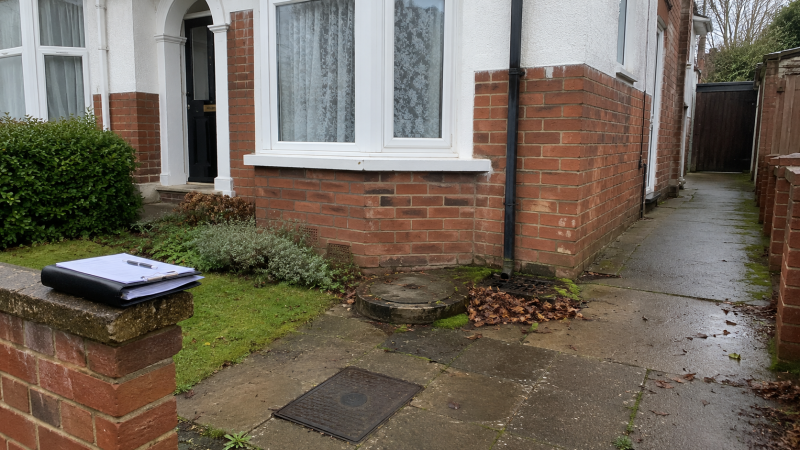
Southampton house survey drainage concerns can feel worrying, especially when the wording sounds vague. A survey may mention damp near drains, poor surface water flow, old gullies, unclear pipe routes, movement near an extension or the need for further checks. That does not always mean the property has a serious drain fault, but it does mean buyers should understand what the note could point to.
A house survey looks at visible signs. It may not give a full view inside underground pipework. Because of this, a surveyor may flag a possible concern and suggest more checks before the buyer moves forward.
Southampton Drains24 helps homeowners, buyers, landlords and agents with CCTV drain surveys, drain unblocking, drain repairs and emergency drainage problems across Southampton and nearby areas.
Why a house survey may mention drainage
A surveyor may mention drainage when something visible suggests water may not move away as it should. The sign may sit inside the home, outside near the wall, around a gully, beside an inspection chamber or close to an extension.
Common reasons include:
- Damp patches near external walls.
- Standing water around gullies or chambers.
- Blocked or damaged drain covers.
- No clear inspection chamber access.
- Uneven ground near old pipe routes.
- Bad smells around the property.
- Signs of past leaks or staining.
- Surface water that does not drain away well.
- Old clay drains or unknown pipe routes.
- Movement near drains, patios or extensions.
These signs do not prove the drain has damage. However, they give the buyer a reason to ask sensible follow-up questions.
What survey wording can mean
Survey reports often use careful wording. They may not say “the drain is broken”. Instead, they may say the drainage needs further checking, that chamber access was limited or that damp could relate to poor drainage.
Buyers may see phrases such as:
- “Further investigation advised.”
- “Drainage condition could not be confirmed.”
- “Inspection chamber not accessible.”
- “Possible drainage defect.”
- “Evidence of damp near external drainage.”
- “Surface water disposal should be checked.”
- “Shared drainage route unclear.”
- “Old drainage system may require further checks.”
These phrases usually mean the surveyor has seen enough to raise the issue, but not enough to confirm the full cause. A drain check can help fill that gap.
Why the survey may not give a full drain answer
A house survey usually focuses on visible parts of the property. Underground drains need different checks because most of the pipework sits out of sight.
RICS guidance explains that Level 2 home surveys can include a visual check of accessible drainage chambers, where it is safe and possible to lift the cover without damage. However, a normal survey will not always trace the full pipe route or show defects inside the drain.
That is why a survey can raise a concern without giving a final answer. The next step depends on what the survey says, what signs exist at the property and how much risk the buyer wants to accept before exchange.
Drainage concerns in older Southampton homes
Many Southampton homes have changed over time. Owners may have added extensions, moved kitchens, fitted extra bathrooms, paved gardens or changed side access. Those changes can make drainage layouts harder to follow.
Older properties may also have clay pipes, shared runs, older gullies or inspection chambers that sit in awkward places. Those features can work for many years, but they still deserve checking when a survey raises a concern.
A buyer does not need to panic because a property is older. Instead, they should try to understand the pipe route, access points and any signs of past or current problems.
When damp may link to drainage
Damp can have many causes. It may come from gutters, brickwork, ground levels, leaks, poor airflow or plumbing. However, drainage can also play a part when water gathers near the building or when a leaking drain allows water into the ground.
A survey may mention damp near an outside wall, side path, rear extension or gully. That does not prove a drain fault, but it gives a useful clue.
If damp appears close to a drain cover, gully, downpipe or inspection chamber, a drainage check can help rule in or rule out a problem below ground.
Surface water notes in a house survey
Some survey reports mention poor surface water drainage. This may relate to rainwater from roofs, patios, driveways or paved gardens. Water should drain away without sitting against the building.
In Southampton homes, surface water may flow to a soakaway, gully, surface water drain or combined drain, depending on the property and the local setup. If the route looks unclear, the buyer may need more information.
This article should not replace proper building or legal advice. However, it can help buyers know when to ask where rainwater goes and whether the system works during wet weather.
Inspection chambers and access issues
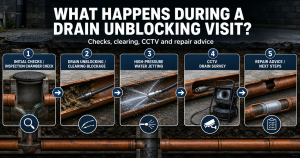
An inspection chamber gives access to the drain. It helps engineers check flow, clear blockages and carry out a camera survey where needed.
A house survey may mention that a chamber cover could not be lifted, could not be found or sat under paving, decking, storage or heavy items. That matters because poor access can make future drain work slower and harder.
If a buyer cannot find a clear access point, they should ask the seller, agent or surveyor whether any drainage plans, past reports or repair records exist.
When a CCTV drain survey may help
A CCTV drain survey gives engineers a direct view inside the pipe. It can show cracks, open joints, roots, silt, standing water, poor fall and blockages. It can also help confirm where the drain runs.
This makes a CCTV drain survey useful when a house survey mentions drainage but does not explain the cause. It may help buyers decide whether the issue needs repair advice, a simple clearance or no urgent work.
The key point is timing. Buyers usually want clearer answers before exchange, especially if the survey raises concerns around underground pipework, damp, shared drains or hard-to-reach chambers.
What buyers should ask after a survey note
A survey note gives buyers a chance to ask better questions. It helps to keep the questions simple and clear.
Useful questions include:
- Where are the inspection chambers?
- Do any drains serve more than one property?
- Has the property had drain repairs before?
- Has a CCTV drain survey ever taken place?
- Do any drains run under extensions or patios?
- Do toilets, sinks, baths or showers ever drain slowly?
- Do outside gullies hold water after rain?
- Has the property had bad smells or repeat blockages?
- Are there records for drainage changes or building work?
- Does surface water drain to a soakaway, sewer or another route?
The answers can help the buyer decide whether to arrange a further drain check.
Shared drains and responsibility questions
A house survey may mention shared drainage or unclear pipe routes. This can matter in terraces, flats, converted homes and older streets.
If more than one property uses the same run, the buyer may need to understand where the private drain ends and where any shared or public sewer section begins. A solicitor, surveyor or water authority search may help with legal responsibility, while a drainage check can help show the physical route.
Southampton Drains24 can help check the condition and route of accessible drains, but buyers should use their solicitor for legal questions about ownership and responsibility.
When drain unblocking may be enough
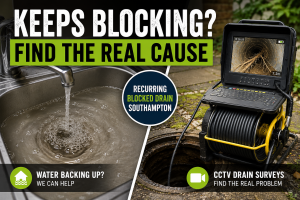
Sometimes a survey concern points to a simple blockage. A gully may hold water because leaves, silt or waste have slowed the flow. A chamber may show standing water because the outlet has blocked.
A drain unblocking visit can restore flow where the pipe has no deeper fault. After clearance, engineers can check whether water moves away as it should.
If the same section blocks again, the buyer or owner may need a CCTV check to find the main cause.
When drain repairs may need attention
A house survey may not confirm a drain repair, but it can raise signs that deserve a closer look. A CCTV check may then show whether the pipe needs work.
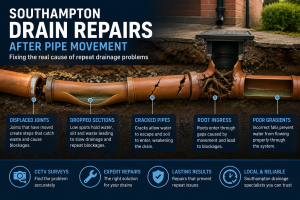
Possible repair signs include:
- Cracked pipework.
- Open or displaced joints.
- Root entry through weak points.
- Standing water in the pipe.
- Silt building up in one area.
- Broken chamber connections.
- Pipe sections that no longer line up.
- Partial collapse or severe damage.
Drain repairs should match the fault, pipe depth, access and condition. A clear report can help buyers understand whether the issue needs urgent work or planned repair advice.
How buyers can use the findings
Drainage findings can help buyers make a clearer decision before exchange. They may use the information to ask for repair records, request more detail from the seller, plan future work or discuss the issue with their solicitor.
Sometimes the check gives peace of mind. Sometimes it shows a small problem that needs clearing. In other cases, it may show a repair issue that the buyer wants to understand before moving forward.
The aim is not to create worry. The aim is to avoid buying without knowing what the survey note really means.
When drainage concerns become urgent
Most survey-related concerns involve planned checks. However, some signs need faster help, especially if the property already has active drainage problems.
Call for help quickly if:
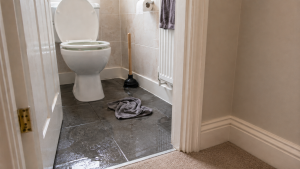
- Foul water backs up inside the property.
- Toilets stop clearing.
- Several fittings drain slowly at once.
- An outside drain overflows with wastewater.
- A chamber fills and does not empty.
- Strong drain smells keep returning.
- Water appears near the building after drain use.
- The same drain blocks again soon after clearing.
For urgent problems, emergency drainage services can help restore flow and reduce further mess.
Get Southampton house survey drainage concerns checked
Southampton house survey drainage concerns can point to many things, from a simple blocked gully to unclear pipe routes, poor surface water flow or damaged underground drains. The wording may feel unclear, but the next step should stay practical: check what the survey says, ask the right questions and arrange further drainage checks where the risk justifies it.
Southampton Drains24 can help with CCTV drain surveys, drain unblocking, drain repairs and emergency drainage problems across Southampton.
If a house survey mentions drainage, damp near drains, hidden chambers or unclear pipe routes, it is worth getting a clearer view before the issue becomes harder to deal with.
FAQs
What does it mean if a house survey mentions drainage?
It usually means the surveyor saw a visible sign that could relate to drains, surface water, damp, chamber access or pipe routes. It does not always mean the drain has serious damage.
Should I get a CCTV drain survey after a house survey?
A CCTV drain survey can help if the house survey mentions drainage concerns, unclear pipe routes, damp near drains, standing water, repeat blockages or chamber access issues.
Can a normal house survey check underground drains fully?
No. A normal house survey can check visible signs and accessible chambers, but it usually cannot show the full condition of underground pipework.
Can drainage concerns affect a house purchase?
Yes, they can. Drainage concerns may affect repair planning, buyer confidence, future costs or questions for the seller, agent or solicitor before exchange.
Can Southampton Drains24 help with survey drainage concerns?
Yes. Southampton Drains24 can help check drainage concerns with CCTV surveys, drain unblocking, drain repair advice and emergency drainage support.